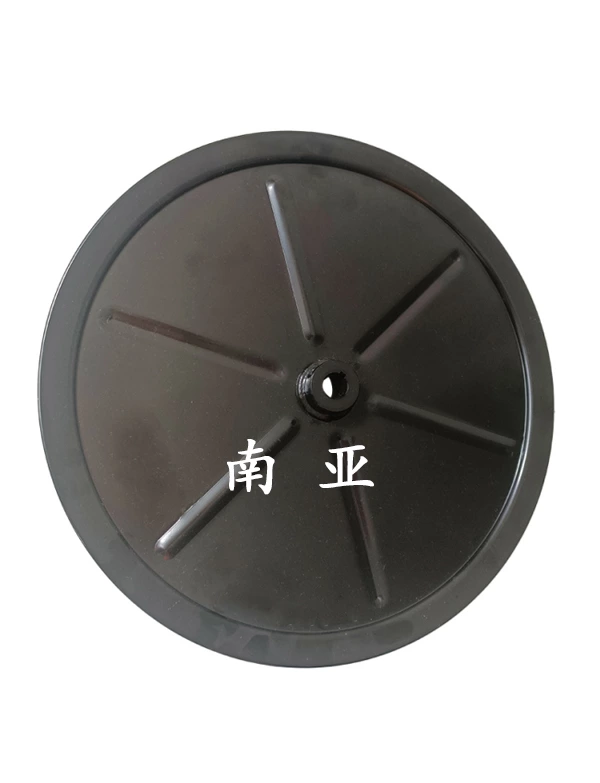
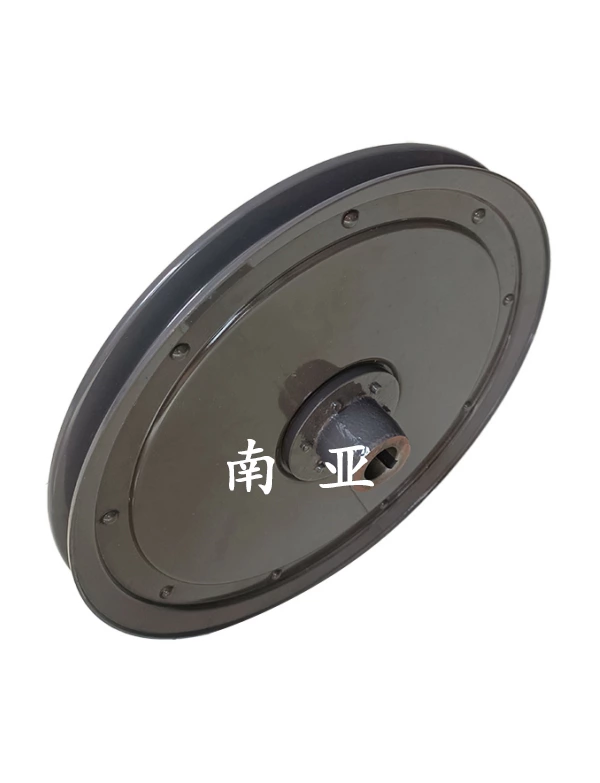
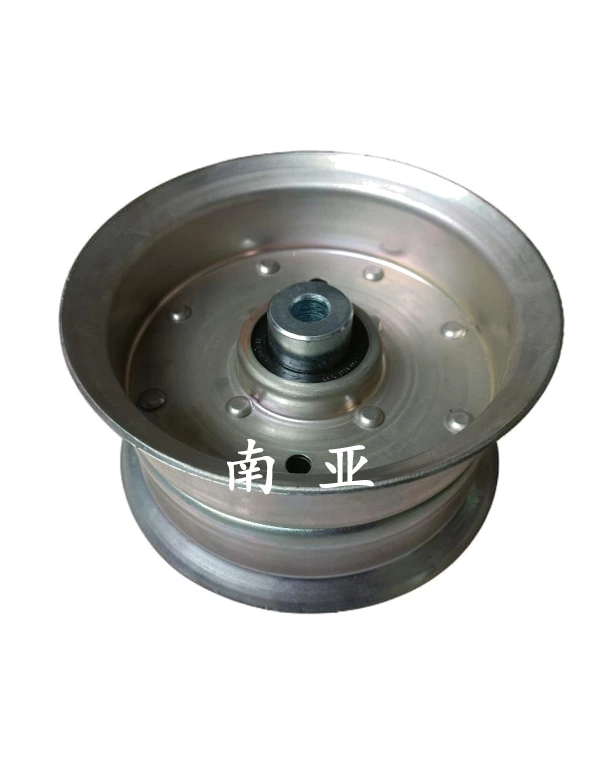
Water pump impeller: the pivot point in automotive belt pulley transmission systems
In the engine's front-end gear train, the automotive pulleys transmit power from the crankshaft to various accessories via belts. The water pump impeller is not only a passive receiver in this closed loop but also a "transfer station" for power transmission. It receives power from the crankshaft to drive the water pump impeller's rotation, and in some compact gear train designs, it also plays a "secondary drive" role. This structural layout makes the entire gear train more compact and reliable.
Dynamic support and rotational support
The water pump impeller is primarily a precision power-bearing component. It connects to the crankshaft pulley via a belt, transmitting the rotational power output from the engine to the water pump shaft. The fit between the belt and the pulley groove, as well as the surface finish of the groove, directly determines the transmission efficiency. Maintaining good dynamic balance during high-speed rotation is crucial for supporting the smooth operation of the water pump shaft and impeller, and reducing impact loads on the water pump bearings.
-
Gear groove fit accuracy: The dimensions of the gear groove must be strictly matched with the wedge angle of the belt to prevent belt slippage or abnormal wear.
-
Bearing load-bearing design: The pump wheel center is interference-fitted with the bearing, and the belt tension borne by the wheel body is evenly transmitted to the bearing to support the entire rotating assembly.
Fault prevention and system protection
The pump impeller operates in a harsh environment, enduring alternating loads from high temperatures, mud, and belt tension over extended periods. Aging or failure of the pump impeller directly impacts the reliability of the entire belt drive system. Excessive wear on the impeller grooves causes the belt to sag, resulting in high-frequency noise during operation. Dynamic imbalance of the impeller can lead to loose pump bearings, potentially causing the pump to seize, which in turn can tear the belt, instantly deactivating the generator, booster pump, and other accessories.