How do pulleys drive the vehicle's electrical system?
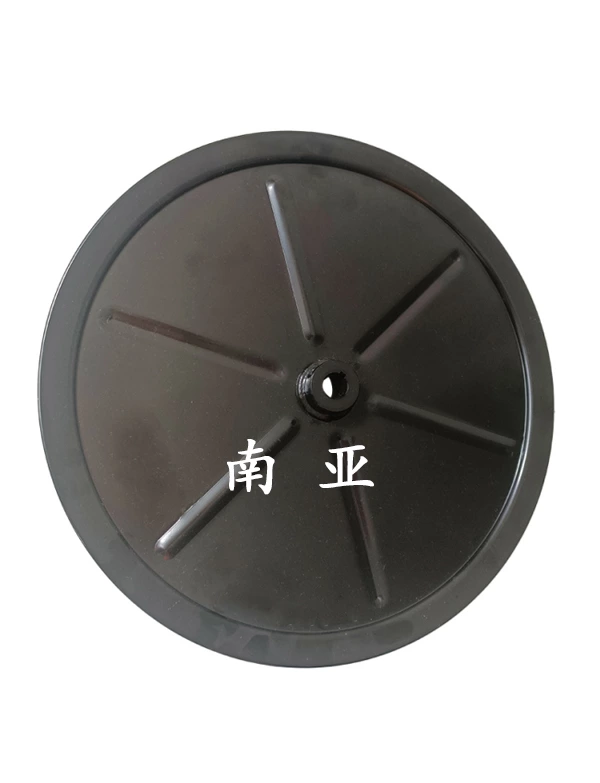
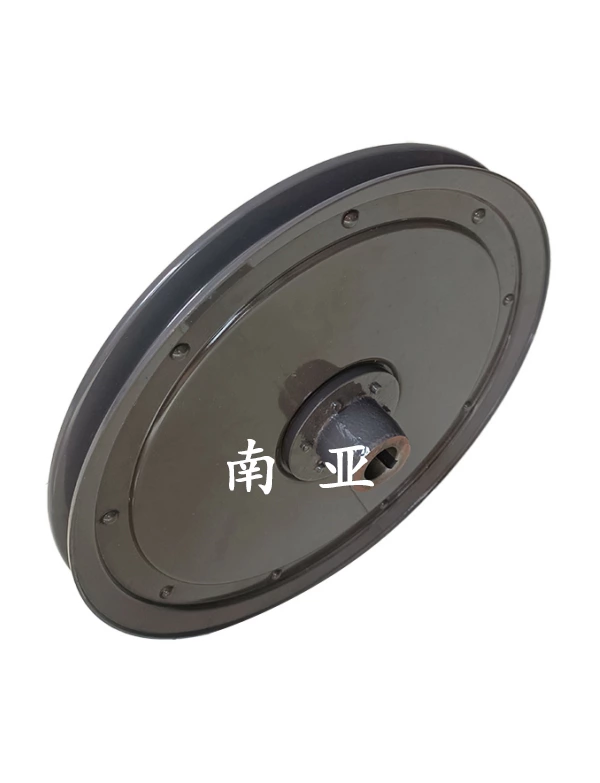
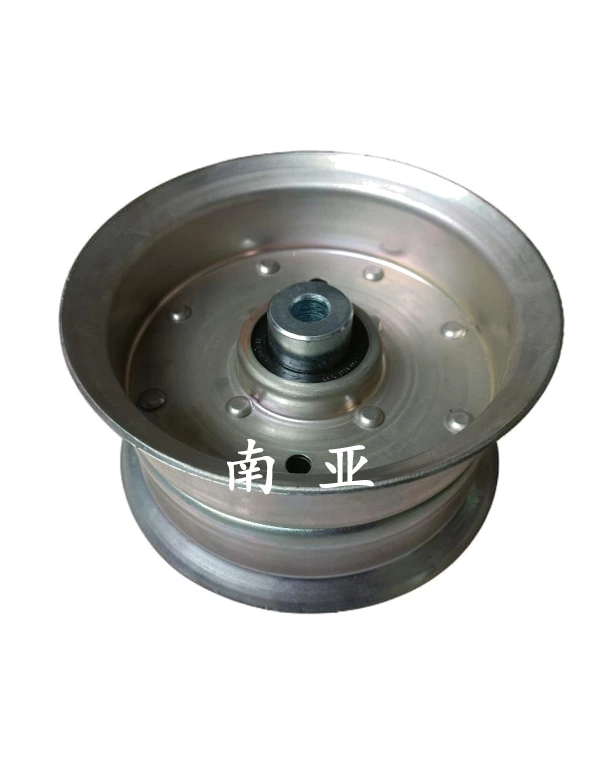
At the front of a car engine, a sophisticated pulley system operates silently. This transmission network, composed of components such as the crankshaft pulley, alternator pulley, and air conditioning compressor pulley, distributes power via a multi-ribbed belt. Although automotive pulleys are small parts, they control the lifeline of the entire vehicle's electrical system.
The core function of generator pulleys
Transmitting rotational power. The engine crankshaft transmits power to the alternator pulley via a belt, driving the rotor to rotate inside the stator. Alternating current is generated through electromagnetic induction, which, after rectification, powers the entire vehicle and replenishes the battery. Without this rotational motion, the spark plugs cannot ignite, the ECU cannot operate, and the lighting system will be in darkness.
Maintaining stable voltage is crucial. The generator's operating status directly affects the vehicle's voltage. The pulley changes the generator speed according to the engine speed, thus regulating the output power. After the vehicle starts, the generator becomes the primary power source, responsible for supplying power to all electrical equipment.
Advanced techniques in wheel system design
One-way decoupling function. Modern engines employ one-way pulley technology. Engine speed fluctuations during operation transmit crankshaft torsional vibrations to the accessory gear train. The generator rotor has a large mass and significant inertial effect. The one-way pulley allows the generator to overtake the engine during deceleration, decoupling the generator's inertial mass from the gear train. This reduces gear train vibration amplitude and extends belt life.
Electromagnetic clutch control. Some hybrid power systems employ electromagnetic clutch pulleys. During normal operation, the electromagnetic structure is closed to transmit torque. Under specific operating conditions, the electromagnetic structure is open, isolating the engine and generator, reducing belt dynamic tension, and minimizing system resonance and energy consumption.