Noise control for automotive pulleys: Systematic elimination of abnormal noise from tensioner bearings
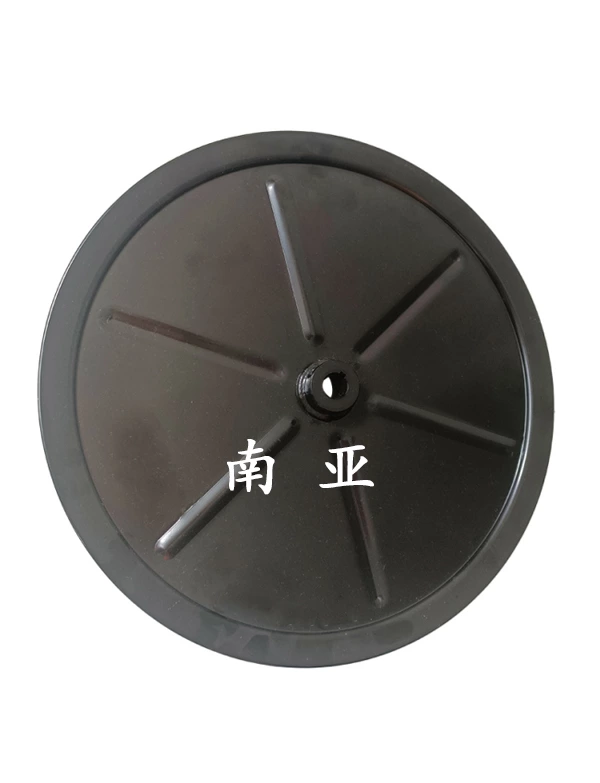
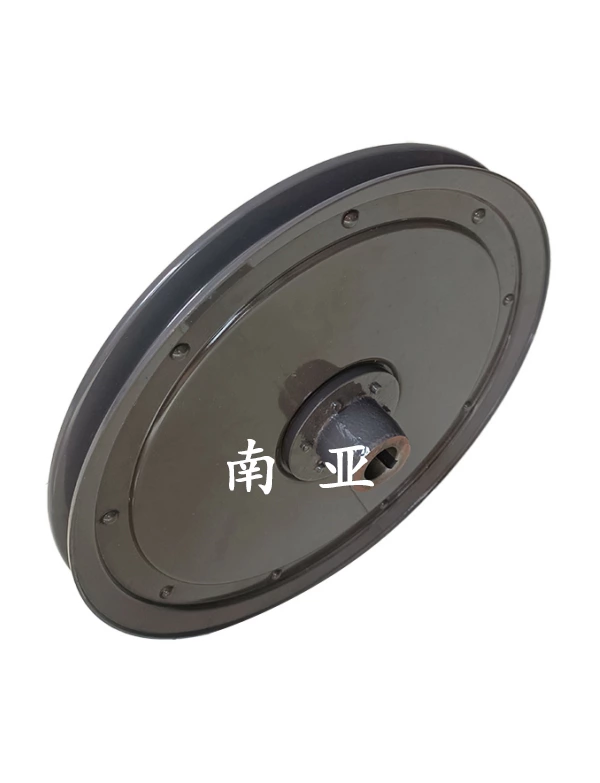
In the automotive aftermarket repair field, abnormal noises from automotive pulley systems are a common and difficult-to-diagnose problem. As a core component maintaining the stability of belt drives, the condition of the tensioner's bearings directly affects the smoothness of the entire pulley system's operation. Bearing noises not only cause annoying sounds but may also indicate hidden damage to the system. Based on frontline repair experience and the principles of transmission systems, we have outlined a professional approach to improving this issue.
In-depth investigation into the root cause of abnormal noise: More than just bearing wear
Bearing noise is not a simple component quality issue. High-frequency metal-to-metal friction caused by tensioner pulley runout is often more common than bearing failure itself. Direct contact between the spring steel belt and the bearing body due to wear of the nylon separator will produce a sharp noise. Simply replacing the bearing without addressing the tensioner pulley body clearance will easily cause the noise to reappear. Dried-out grease inside the bearing or a deformed dust cover will also produce a continuous "hissing" sound.
Systematic Improvement: From Selection to Precise Installation
High-precision selection and lubrication management
The selection of bearings for automotive pulleys must be based on actual operating conditions. Original equipment manufacturers (OEMs) often use specialized bearings with specific clearances and greases; substituting generic models may result in operational noise. Before installation, the bearing's rotational smoothness should be checked. For sealed bearings, the force point during press-fitting must be on the outer ring; incorrect force application can damage the internal raceways. For components operating at high speeds for extended periods, high-temperature lithium-based grease should be used to maintain lubrication life.
The tensioner assembly works in conjunction with the belt tension.
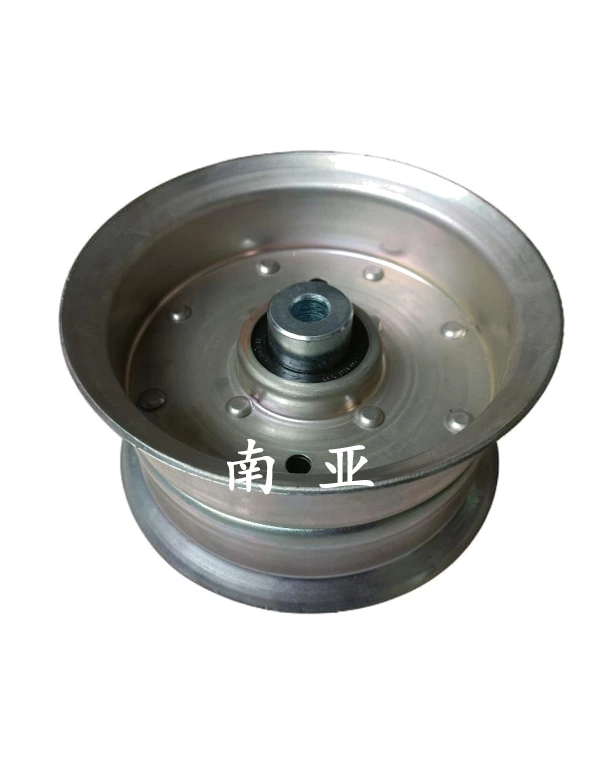
The tensioner pulley is a precision component; a decline in its spring damping mechanism can cause tension fluctuations, inducing bearing impact noise. Improvement solutions require checking the smoothness of the tensioner arm's movement throughout its stroke. If the automatic tensioner is stuck, even replacing the bearing will cause the noise to reappear as the belt rotates. After installation, use a tension meter to calibrate and ensure the automotive belt pulley system tension is within the manufacturer's specifications, avoiding over-tightening or uneven wear.