Analysis of the core function of the tensioner in the automotive transmission system
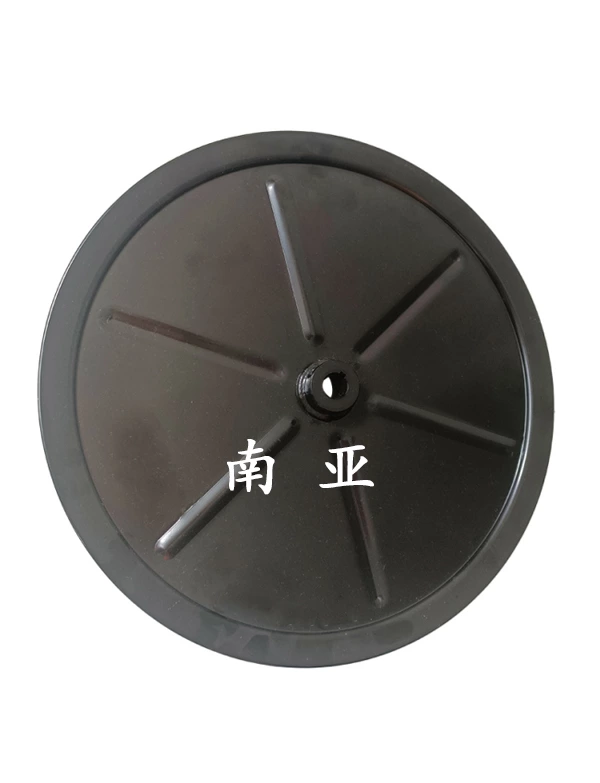
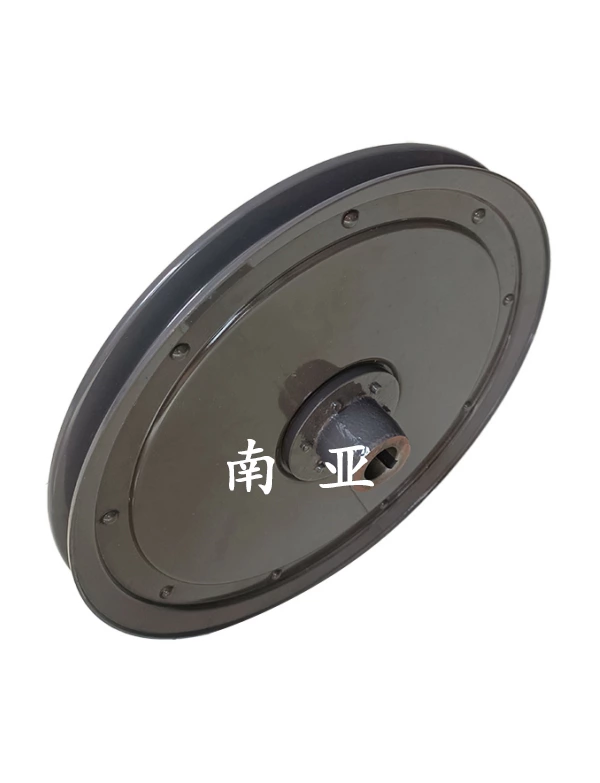
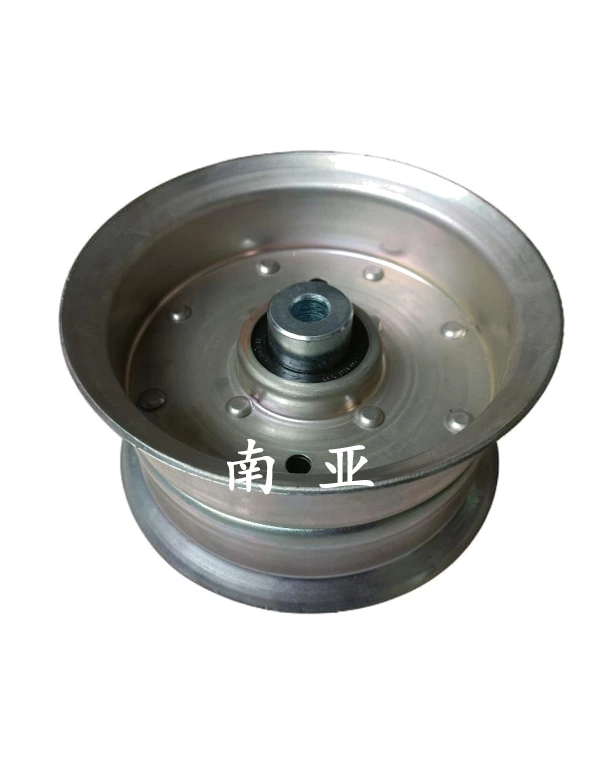
In the engine's front-end pulley system, the automotive pulleys and tensioner form a precise, cooperating unit. The tensioner, as a device that continuously applies pressure, has the core function of maintaining the rigidity of the transmission system. It is not merely a simple guide pulley, but a crucial guarantee for the smooth dynamic operation of the entire pulley system.
Maintain constant tension and compensate for belt wear.
Belt drives rely on friction, which is generated by the pressure between the belt and the pulley groove. After prolonged operation, rubber belts will inevitably experience wear and material fatigue, resulting in a "stretching" of their circumference.
-
Dynamic adjustment capability: The torsion spring or hydraulic mechanism inside the tensioner can sense the slack of the belt and automatically adjust its position.
-
Impact on automotive pulleys: Whether it is a crankshaft pulley or a water pump pulley, torque can only be effectively transmitted when a constant and appropriate belt tension is obtained, thus avoiding weak acceleration caused by insufficient tension.
Suppress gear train vibration and reduce operating noise
If the tension of a belt drive system fluctuates greatly during operation, it will produce obvious slapping sounds or high-frequency whistling.
Regarding the role of vibration suppression:
-
Absorbing shock energy: When the engine speed changes suddenly or the load increases, the tensioner absorbs the instantaneous impact through its damping mechanism, preventing the belt from jumping on the automotive pulley.
-
Maintaining belt alignment: It guides the belt to run on the correct track, preventing belt edge wear or flipping due to deviation. This is especially important for complex pulley systems with OAP (overtaking pulley for generators), where the stability of the tensioner determines the noise level of the entire system.