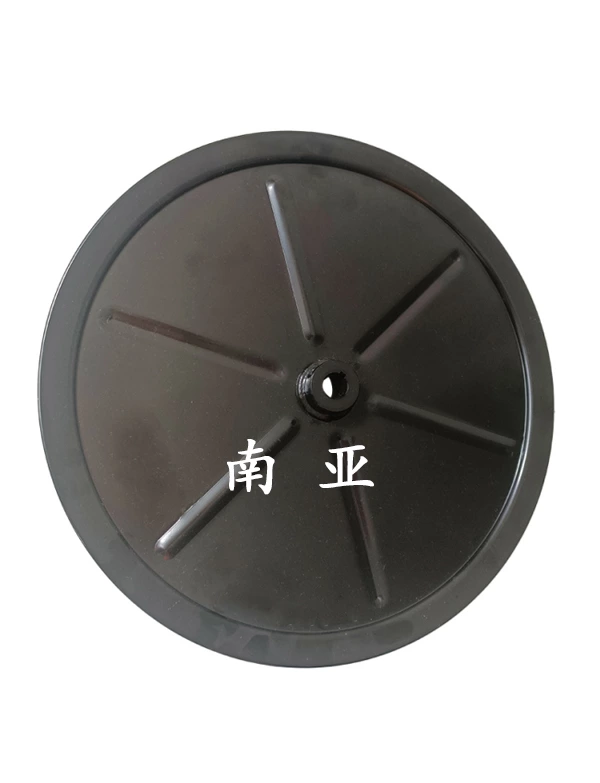
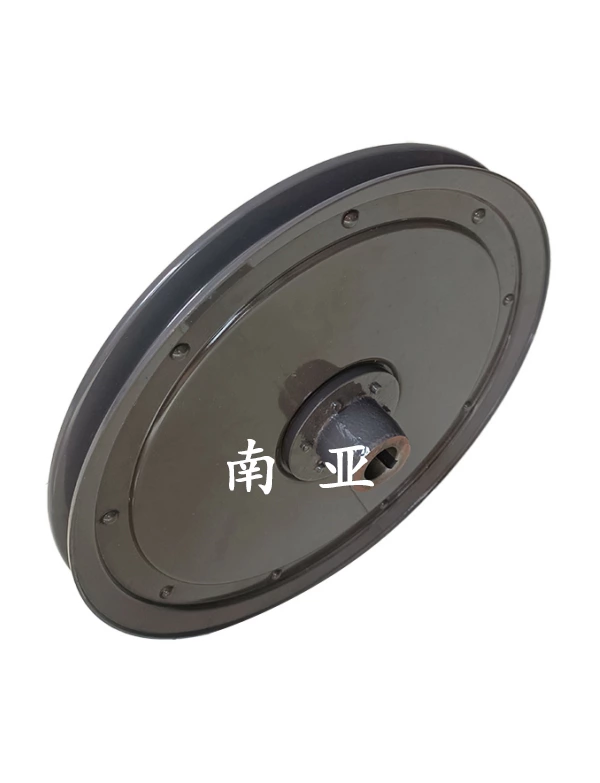
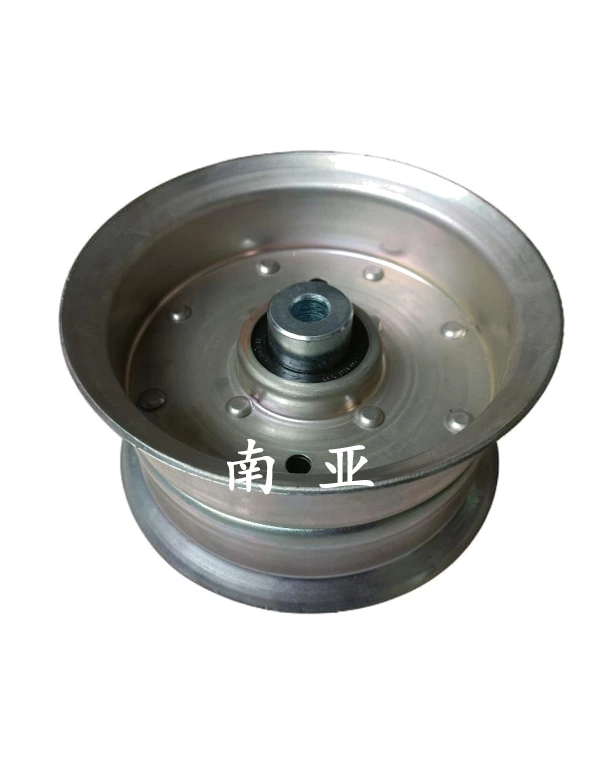
Pulley: Power hub of engine accessories
In the front-end gear train of a car engine, the pulley plays a central role in power distribution. It transmits the rotational power of the crankshaft via a drive belt, driving components such as the alternator, water pump, air conditioning compressor, and power steering pump. This seemingly simple component is an indispensable part of the engine's normal operation.
Transmit rotational energy to drive the operation of accessories.
The core function of automotive pulleys is to distribute and transmit engine power. The crankshaft pulley serves as the power source, transmitting torque via belts to various accessory pulleys. These accessory pulleys convert the received rotational energy into actual working output: the generator produces electricity, the water pump drives the coolant circulation, and the compressor provides pressure to the air conditioning system. This process ensures the stable operation of the vehicle's electrical, cooling, and air conditioning systems.
Maintain belt tension to ensure smooth operation.
The stability of a pulley system depends on the precise fit of the pulleys. The tensioner plays a crucial role in this process, continuously applying pressure to the belt and automatically compensating for slight elongation caused by thermal expansion and contraction or prolonged use. This adaptive adjustment prevents the belt from jumping or slipping during operation. Some designs also employ damping structures to suppress abnormal vibrations caused by sudden changes in speed. Smooth operation directly affects the lifespan of the belts and bearings.
Absorbs load impacts and protects the entire wheel system.
The pulley system features overload protection, a crucial consideration in its structural design. When engine speed changes drastically or accessories are suddenly loaded, the brief slippage allowed between the belt and pulley grooves can buffer the impact, protecting delicate components such as the generator and water pump from damage. The elastic properties of the belt material itself also absorb high-frequency vibrations during transmission. This buffering mechanism extends the service life of the entire front-end pulley system.