What are the advantages of belt pulleys compared to couplings?
Many mechanical devices require transmission components as an intermediate medium to transmit mechanical power to the end device. Couplings and pulleys are commonly used transmission components in mechanical devices. So what are the advantages of pulleys compared to couplings?
Couplings are mechanical components used to securely connect the driving and driven shafts in different mechanisms, enabling them to rotate together and transmit motion and torque. They are a short-distance connection method for motors and equipment, characterized by high torque and high efficiency. However, because it is a direct connection, the operating speed of a coupling is much lower than that of a belt pulley.
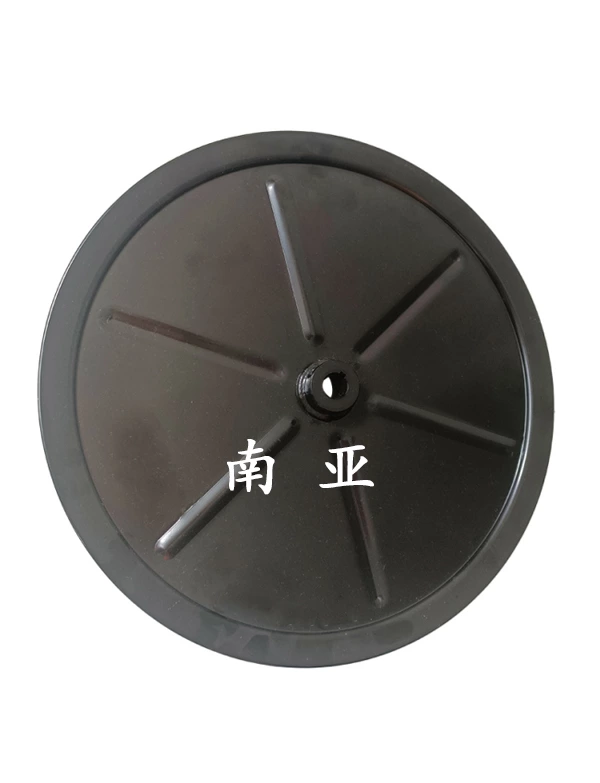
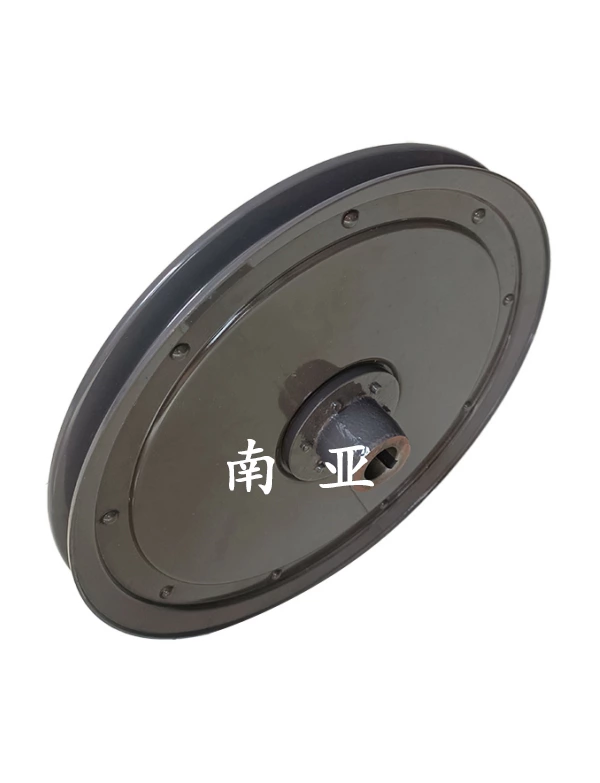
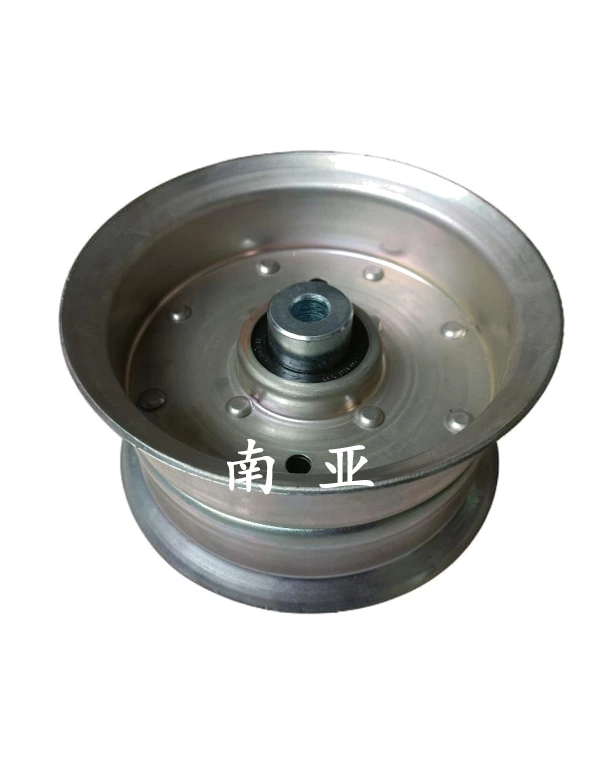
Pulleys are disc-hub type parts, generally relatively large in size, and are typically manufactured using casting or forging processes. They are mainly used for long-distance power transmission, and their advantages over couplings are as follows:
①Pulleys are suitable for transmission methods involving two drive devices over long distances.
② Belt pulley drives involve two parallel drive shafts that are required to be on the same horizontal line, resulting in smoother operation, lower noise, and lower vibration.
③ The use of belt pulley transmission device has a buffering effect. When the machine is stopped, it will not stop immediately, but will gradually stop running when there is no driving force, thereby protecting the equipment and the motor.