Why do belt pulleys need surface treatment?
Why do pulleys need surface treatment? Nowadays, many mechanical equipment have increasingly higher requirements for the quality of pulleys, so some manufacturers will perform surface treatment on their pulley products to improve the appearance and performance of the pulleys.
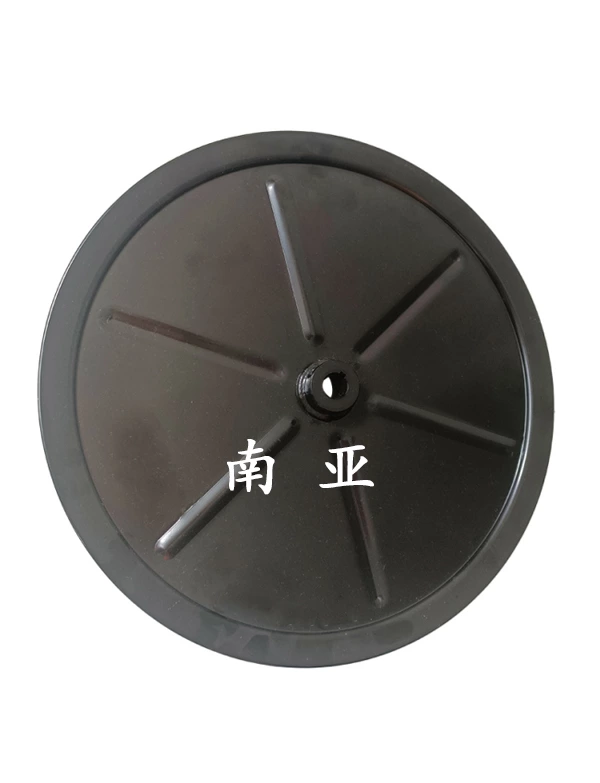
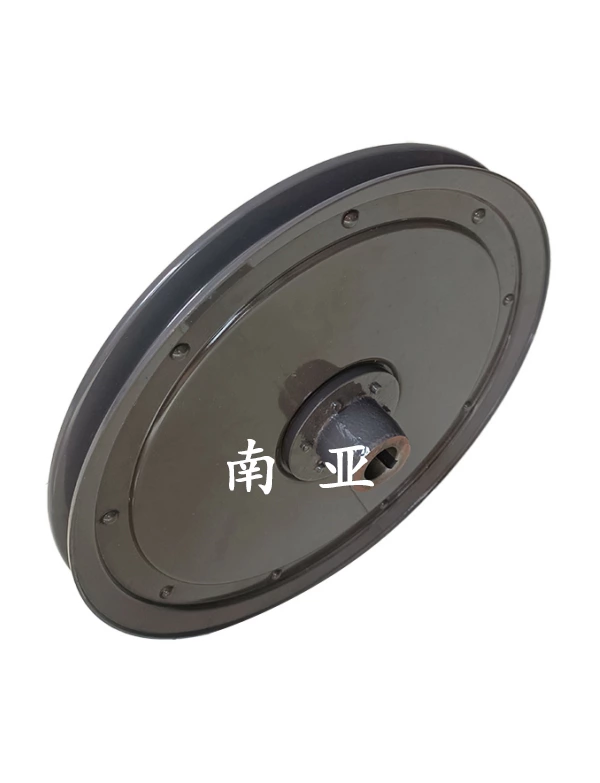
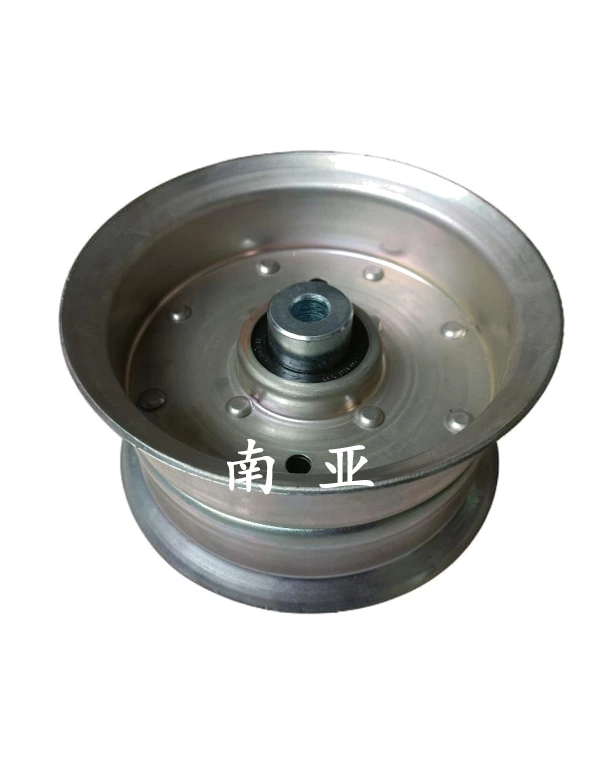
Belt pulleys are disc-type parts, and the material is generally cast iron. The manufacturing process is mainly casting and forging. Therefore, belt pulleys that are not surface treated are prone to having burrs that can hurt hands, and they may rust after prolonged use in humid environments.
Currently, the most common surface treatment for pulleys is phosphating and blackening. The process flow is as follows: degreasing and rust removal – water cleaning – surface conditioning – phosphating – water cleaning – chromate treatment – drying – grease or dyeing treatment.
The early application of phosphating was rust prevention. Phosphating treatment forms a phosphate film on steel parts, providing rust protection. Workpieces treated with phosphating can remain rust-proof for several months or even years (for oiled workpieces). It is widely used for rust prevention between processes, during transportation, packaging, storage, and use. Rust-preventive phosphating mainly involves iron-based phosphating. Workpieces treated with strong alkalis or acids may experience coarsening of the phosphate film; surface conditioning and activation can refine the grain size.
After being treated with phosphate blackening, the pulleys have a better all-black appearance. More importantly, after phosphate blackening, the pulleys are not easy to rust, greatly extending their service life and effectively helping customers reduce costs.